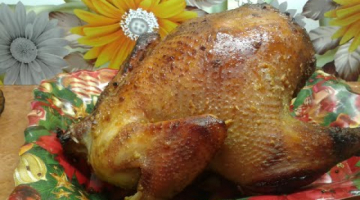
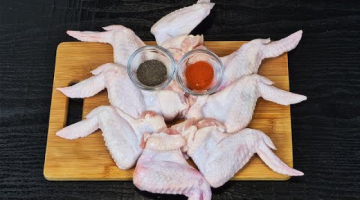
Honey-Garlic Roast Chicken (or Rooster) in an Oven Bag
A big, detailed, truly homey guide with a glossy caramelized finish, juicy meat, and that “everyone’s suddenly in the kitchen” aroma.
Introduction: When a simple chicken turns into a Sunday ritual
Some dishes feel like they were invented for slow family dinners-the kind where the table is bright, someone keeps “just checking” the oven, and the whole house smells like pepper, roasted skin, and something sweet in the best way. Roast poultry belongs to that category. It’s familiar, but never boring. And with the right glaze, it becomes the centerpiece that makes people linger.
Today we’re not roasting an anonymous little chicken. We’re roasting a serious bird-think a sturdy farm-style rooster that can weigh close to 8–9 pounds. That’s not a typo. A bird like this may not even fit comfortably in a standard roasting pan, and that’s where a practical, no-drama approach wins: split it into two halves, coat it in a honey-garlic-mustard glaze, and roast it in an oven bag so the meat stays juicy while the skin develops that bronze, sticky shine.
This is more than a “do this, then that” recipe. It’s a full roadmap-from choosing your bird to serving it, resting it properly, and turning leftovers into tomorrow’s dinner. We’ll talk about why honey browns so beautifully, why mustard helps the glaze cling, and why letting the bird rest is not optional if you want succulent slices instead of a puddle on the cutting board.
Set your pepper mill near the stove. Warm up the kitchen. You’re about to make a meal that feels bigger than its ingredient list.
1. Ingredients and tools: what you need and why it matters
Why these ingredients work so well together
Rooster or chicken (about 7.7–8.8 lb / 3.5–4 kg)
A mature, farm-style bird has firmer muscle and deeper flavor than a typical supermarket broiler. The tradeoff is time: it often needs a longer roast, and it benefits from moisture control (hello, oven bag).
If you’re using a regular store-bought chicken (about 2.6–3.5 lb / 1.2–1.6 kg), you’ll shorten the roast time significantly-usually by about a third.
Honey (2–3 tablespoons)
Honey brings gentle sweetness and that glossy, caramelized look. When heated, its natural sugars brown quickly, helping build a dark, aromatic crust. It’s also slightly acidic and hygroscopic (it holds onto moisture), which supports a juicy outcome when used in a thin layer rather than a thick sugary coat.
Garlic (to taste, typically 4–6 cloves)
Garlic is the backbone aroma here. Raw garlic is sharp; roasted garlic becomes mellow, almost creamy, and perfumes the juices in the bag.
Mustard (2–3 teaspoons)
Mustard gives the glaze a savory bite and helps the honey mixture emulsify-meaning it blends more smoothly instead of separating and sliding off. It also helps the glaze cling to the skin.
Salt + freshly ground black pepper
Salt is structure. Pepper is fragrance. Freshly ground pepper tastes noticeably brighter because its aromatic compounds haven’t faded.
Oven roasting bag (oven-safe)
This is the quiet hero. It traps steam and rendered juices so the breast meat-naturally lean-doesn’t dry out while the bird finishes cooking.
Ingredient table (for quick planning)
| Ingredient | Amount | Notes |
|---|---|---|
| Rooster (or large chicken) | 1 bird (7.7–8.8 lb) | Or use 2 smaller chickens |
| Honey | 2–3 tbsp | Clover, wildflower, or linden-style honey works great |
| Mustard | 2–3 tsp | Yellow mustard or Dijon both work (flavor differs) |
| Garlic | 4–6 cloves | More if you love garlic |
| Salt | about 1 tbsp | Kosher salt is ideal |
| Black pepper | about 1/2 tsp | Freshly ground if possible |
| Warm water | 1 tbsp | Helps honey dissolve and spread evenly |
(Tables are included for structure and readability.)
Tools you’ll want nearby
-
Sharp chef’s knife or kitchen shears (for splitting a large bird)
-
Mixing bowl + spoon
-
Oven-safe roasting bag + ties
-
Roasting pan (or sheet pan)
-
Instant-read thermometer (highly recommended)
-
Silicone brush (optional, but great for basting)
2. Preparing the bird: the details most recipes skip
2.1 Splitting a large bird so it roasts evenly
An 8–9 lb rooster is impressive… and awkward in a standard pan. The simplest solution is to split it lengthwise along the backbone. You’ll end up with two flatter halves that cook more evenly and fit better in an oven bag.
How to do it:
-
Place the bird breast-side down.
-
Using kitchen shears, cut along one side of the backbone, then the other side, and remove it.
-
If needed, press down to flatten slightly (careful-firm birds take some pressure).
-
Cut through the breastbone area if you want two separate halves, or leave it spatchcock-style. For an oven bag, two halves are usually easier.
Smart kitchen move: Don’t throw away the backbone. Freeze it. Add it to a future stock pot for a deeply flavorful broth.
2.2 The “dry season” before the glaze
Here’s a small step that changes everything: salt the bird before adding the honey glaze.
Rub the meat (and skin) with salt and pepper and let it sit for 15 minutes. This brief dry seasoning pulls a little moisture to the surface. Then when you add honey, you essentially create a natural syrupy layer that penetrates better and spreads more evenly.
It’s a short wait, but it pays off.
3. Making the honey-garlic glaze
This glaze is simple, but it needs balance. You want sweetness, sharpness, and heat that doesn’t overpower.
Ingredients for the glaze
-
2–3 tbsp honey
-
2–3 tsp mustard
-
1 tbsp warm water
-
4–6 cloves garlic, minced
-
Black pepper to taste (and a pinch more if you like)
Method
-
In a small bowl, stir together honey + mustard + warm water. Warm water loosens the honey so it blends easily and coats evenly.
-
Add minced garlic.
-
Add pepper. Mix until glossy and uniform.
-
Taste it (yes, always). It should hit you in layers: sweet first, then garlic, then mustard’s gentle bite.
Why we’re not adding oil
You don’t need it. Poultry skin renders its own fat, and extra oil can actually soften the crust you’re trying to build.
4. Marinating: how long is enough?
With a mature bird, people assume you need hours of marinating. Not with this style of glaze.
15–20 minutes is plenty.
That’s enough time for salt to start working and for garlic and mustard to settle into the honey.
Long marinating in honey-heavy mixtures can cause the surface to darken too quickly in the oven. In other words: you risk a too-dark exterior while the inside still needs time.
So keep it short. Save the “overnight marinade” energy for recipes that truly need it.
5. Roasting: temperature, timing, basting, and doneness
5.1 Temperature plan (Fahrenheit for U.S. ovens)
For a large bird (split):
-
Start at 400°F for 60 minutes to jumpstart browning and build that lacquered look.
-
Then reduce to 350°F for another 30–45 minutes, depending on thickness and your oven.
For a smaller supermarket chicken (around 3–4 lb):
-
Often 60–75 minutes total at 375–400°F works, especially if spatchcocked.
-
Always trust temperature more than time.
5.2 Using an oven bag the right way
Place the bird halves in the bag skin-side up.
Before sealing:
-
Add any extra glaze into the bag (don’t waste it).
-
Tie the bag closed with the included tie.
-
Poke 2–3 small holes in the top of the bag with a toothpick so steam can vent safely.
Set the bag on a roasting pan or rimmed sheet pan. The bag will release juices-your pan catches them and makes handling safer.
5.3 After the first hour: the “shower” of its own juices
At the one-hour mark, carefully pull out the pan. Open the top of the bag slightly (watch the steam), and use a spoon or brush to baste the skin with the juices pooling at the bottom.
Then return it to the oven to finish at 350°F.
This step deepens color, intensifies flavor, and gives you that roasted, sticky finish without burning the honey.
5.4 Knowing when it’s done (this matters)
Food safety isn’t optional with poultry.
-
The minimum safe internal temperature for poultry is 165°F in the thickest part.
-
For best texture-especially with dark meat-many cooks aim for 175–185°F in the thigh, because thighs become more tender as connective tissue breaks down.
Where to check:
Insert the thermometer into the thickest part of the thigh, avoiding bone. If you don’t have a thermometer, pierce the thigh: juices should run clear, not pink.
A mature rooster can be less forgiving than a tender broiler. Temperature is your best friend here.
6. The resting step: 10 minutes of silence
When the bird comes out of the oven, it’s full of moving juices. If you cut immediately, those juices will rush out and you’ll lose moisture fast.
Transfer the halves to a cutting board and tent loosely with foil. Don’t seal it tight-trapped steam softens the skin.
Rest 10–15 minutes.
During this time, juices redistribute, the meat relaxes, and slicing becomes cleaner and juicier.
This is the moment when your kitchen smells like victory, and people start “just grabbing a little piece.”
7. Serving ideas and side dishes
7.1 Sides that match the sweet-savory glaze
Roasted root vegetables
Carrots, parsnips, sweet potatoes-cut them into chunks, toss with salt and pepper, and roast on a separate tray. They love honey-garlic flavors nearby.
Accordion potatoes (Hasselback-style)
Slice potatoes thinly without cutting all the way through, season generously, roast until crisp. The texture is perfect next to juicy poultry.
Fresh greens with something tangy
A simple salad with lemon or pomegranate-style acidity balances the sweetness of honey and lifts the whole plate.
7.2 Turn the bag juices into a quick sauce
Don’t throw away those roasting juices. They’re gold.
-
Pour the liquid into a small saucepan.
-
Skim excess fat from the top (a spoon works).
-
Simmer for a few minutes until slightly thicker.
You’ll get a glossy drizzle that tastes like concentrated honey-garlic roast essence-because that’s exactly what it is.
8. Frequently asked questions
Can I replace honey with sugar?
You can, technically. But it won’t taste as layered. Honey has its own floral notes and mild acidity, which gives the crust more depth than plain sugar.
Why does garlic sometimes turn dark?
Garlic contains sugars and sulfur compounds. At higher heat, it can brown quickly-especially when mixed with sweet glazes. Dark doesn’t automatically mean bitter; it often means “roasted hard.” If you want a milder garlic profile, mince it slightly larger, or add half the garlic later into the sauce you simmer.
What if the skin isn’t browning?
In the last 8–10 minutes, increase heat to 425°F and let it finish with more direct heat. Watch closely-honey can go from perfect to too dark quickly.
Is an oven bag required?
Not required, but very helpful-especially for larger or older birds. Without it, you’ll need more careful basting and possibly a lower, longer roast to keep the breast from drying.
9. Useful food-science notes (simple, practical)
-
Honey browns fast. Its sugars caramelize readily, which is why you can get a deep color without hours of roasting.
-
Mustard helps emulsify. It encourages honey and juices to behave like a single glaze instead of separating.
-
Resting protects juiciness. It’s not superstition-resting reduces juice loss when slicing.
-
Thin glaze is safer than thick. A light coating caramelizes and shines; a heavy coat can burn before the meat is done.
10. Recipe variations (so you can make it your own)
| Original | Swap | What changes |
|---|---|---|
| Honey | Maple syrup | Softer, more mellow sweetness |
| Mustard | Harissa-style paste | Warmer heat and deeper spice |
| Black pepper | Smoked paprika | Gentle smokiness, darker color |
| Rooster | Turkey breast half | Holiday vibe, leaner meat |
Want a brighter version? Add a teaspoon of lemon juice to the glaze (right before brushing). It sharpens the sweetness and makes the flavor feel lighter.
11. Cooking timeline (checklist)
-
Preheat oven to 400°F.
-
Split bird if large; pat dry.
-
Rub with salt and pepper; rest 15 minutes.
-
Mix glaze: honey + mustard + warm water + garlic + pepper.
-
Brush glaze over bird; rest 15–20 minutes.
-
Place in oven bag, skin up; tie and poke small vent holes.
-
Roast 60 minutes at 400°F.
-
Open bag carefully, baste with juices.
-
Continue 30–45 minutes at 350°F, until temperature is right.
-
Rest 10–15 minutes, then carve and serve.
-
Simmer bag juices into sauce if you want the full experience.
12. Food-science insight: why the crust doesn’t “seal in” everything-but still helps
You’ll sometimes hear that browning “seals in juices.” Technically, a crust doesn’t create a perfect seal like plastic wrap. But here’s what it does do: it dries and caramelizes the surface so moisture loss slows down, especially in the presence of rendered fat and a thin glaze layer.
Honey begins to caramelize around the time the oven is hot enough to brown skin quickly. On the bird’s surface, the honey layer is thin, and the oven’s dry heat drives off excess moisture fast. The sugars concentrate, deepen in color, and form a shiny, flavorful coating. Meanwhile, the oven bag maintains a humid environment around the meat so the interior stays tender while the outside still earns that bronze finish.
In plain language: you get the best of both worlds-juicy meat and a bold crust-without babysitting the roast every five minutes.
13. Plating styles: rustic or modern
Rustic, “farm table” style
Serve on a wooden board. Add small bowls of roasted pumpkin or squash, a tart cranberry-style relish, and a few crunchy pickles. A spoon of sour cream on the side isn’t “wrong”-it’s comforting and it balances sweetness beautifully.
Modern, “city dinner” style
Use a white oval platter. Slice cleanly, garnish with microgreens, and add thin lime wedges (or lemon). Serve with crisp potatoes and a light salad.
Same bird. Two moods.
14. Turning leftovers into tomorrow’s dinner
Leftovers aren’t an afterthought here-they’re a bonus meal.
The next day:
-
Pull meat from the bones and dice it.
-
Toss with cooked pasta (short shapes work best) and a handful of spinach.
-
Warm the leftover honey-garlic juices and use them as a dressing.
-
Add a squeeze of lemon to cut richness.
You’ll get a hearty pasta-salad hybrid that feels like comfort food but comes together fast.
15. Mini guide to kitchen safety (quick, real-world)
-
Use a separate cutting board for raw poultry.
-
Wash hands with warm soapy water for at least 20 seconds before and after handling raw meat.
-
Clean your knife and surfaces thoroughly-hot soapy water is enough for most kitchens when used properly.
-
Don’t store raw-poultry marinade for later use unless it’s boiled hard into a sauce first.
16. Final thoughts: simple ingredients, big result
You’ve now walked the whole path-from handling a large bird (even one that feels too big for your pan) to building a glaze that actually behaves in the oven, to roasting in a way that protects juiciness and still delivers a bronzed, sticky crust.
This is the kind of recipe that doesn’t demand exotic ingredients or fancy tools. It demands attention at the right moments: salt first, glaze second, heat in two stages, temperature check, rest-then carve.
And when you finally slice into it and see the meat still moist under that honey-garlic sheen, you’ll understand why roasted poultry remains one of the most reliable “gather everyone to the table” dishes in the world.