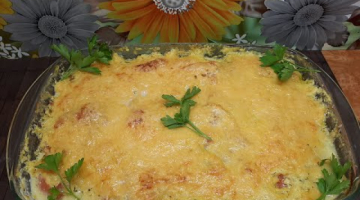
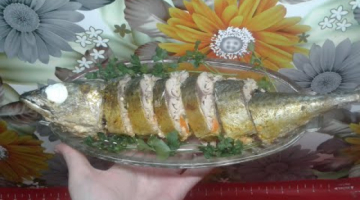
Baked Zander (Pike-Perch) in Creamy Sour Cream Sauce With Vegetables and Cheese
There are recipes that feel like a small holiday even when you cook them on a regular Tuesday. This is one of them.
Zander (also called pike-perch) bakes up snowy-white, delicate, and almost sweet, and when you wrap it in a tangy, herby sour-cream sauce, then “tuck it in” under tomatoes and a blanket of melted cheese… it turns into the kind of dish people quietly keep stealing from the baking dish while you’re setting the table.
It looks fancy. It tastes like you tried really hard. And yet it’s surprisingly low-stress: slice, stir, layer, bake.
If you can’t find zander where you live in the U.S., don’t panic. Use walleye (the closest cousin you’ll see at many fish counters), or cod, pollock, or even tilapia in a pinch. The sauce carries the comfort; the technique guarantees juiciness.
Why zander works so well for baking
Zander sits in that sweet spot between “everyday” fish and “special occasion” fish. It’s lean, clean-tasting, and doesn’t have that muddy river aroma some freshwater fish can have. When baked at a gentle temperature and protected by a creamy sauce, it stays tender instead of turning dry and flaky in a sad way.
If you’re cooking for kids, for people who “don’t really like fish,” or for anyone who wants something satisfying without heaviness, zander is a very smart choice.
And yes-if you like to cook by numbers, you can bake fish to a safe internal temperature of 145°F in the thickest part.
Quick recipe snapshot
You’ll cut the fish into portions, lightly season it, and coat it in a thick sauce made from sour cream (and a little mayo if you want extra gloss), dill, spices, and a squeeze of lemon.
Then you’ll build the dish in layers:
-
onions on the bottom (they soften and sweeten)
-
sauce-coated fish pieces
-
tomatoes
-
lemon for aroma
-
cheese (in two stages, so it melts beautifully and browns without suffocating the fish)
Bake, uncover, add the final cheese, and let the top turn golden.
That’s it. The oven does the rest.
Ingredients for 4–5 servings
Below is a U.S.-friendly list with practical amounts. Don’t get stuck on exact grams-this recipe is forgiving.
Fish
-
Zander / pike-perch (fillets or a cleaned whole fish), about 2 to 2¼ lb (roughly 1 kg)
Creamy sauce
-
Sour cream, about ¾ cup (150–200 g), ideally full-fat or at least 18–20%
-
Mayonnaise, about ½ cup (optional, but helpful for shine and structure)
-
Fresh dill, 1 generous handful, finely chopped
-
Fish seasoning blend, 1–2 tsp
-
Salt and black pepper, to taste
-
Lemon juice, about 1 tsp (plus lemon slices for the top)
Vegetables and topping
-
Onion, 1 large or 2 medium, sliced into half-moons
-
Tomatoes, 1–2, sliced (Roma or vine-ripened work well)
-
Cheese, 6–8 oz shredded (Gouda, low-moisture mozzarella, provolone, or a blend)
For the baking dish
-
Neutral oil, 1 tbsp (just enough to lightly grease the pan)
Choosing fish in the U.S. (so you don’t get disappointed)
If you see “zander” or “pike-perch”
Grab it. You’re doing the recipe exactly as written.
If you don’t
Use one of these:
-
Walleye (best substitute, similar texture and mildness)
-
Cod or pollock (very mild, bakes well, easy to find frozen)
-
Halibut (amazing, but pricey-reduce bake time a bit)
-
Tilapia (works, but it’s thinner-watch it so it doesn’t overcook)
Frozen fish is completely fine here. Just thaw overnight in the fridge, pat it dry, and you’re in business.
Prep the fish properly (this is where juiciness starts)
1) Cut and dry
If you’re using fillets: cut into portions about 2–3 inches wide.
If you have a whole cleaned fish: remove fins with kitchen shears (it’s honestly easier than fighting them with a knife), then slice into “steaks” about 1 inch thick.
Now the important part: pat the fish dry. Fish + moisture on the surface = sauce sliding off, watery baking dish, and a diluted flavor. Dry fish holds sauce like it means it.
2) Season lightly
Sprinkle with salt and pepper. Add a little fish seasoning blend if yours is mild.
One caution: zander is not salmon. It doesn’t need heavy salting. It “catches” salt quickly, so go moderate.
Make the creamy sauce (the whole trick is in this bowl)
In a medium bowl, combine:
-
sour cream
-
mayo (if using)
-
chopped dill
-
fish seasoning
-
lemon juice
Stir until smooth.
You want a sauce that is thick enough to cling. It should look pale, speckled green, and smell fresh-dill and lemon should be noticeable, but not aggressive.
This sauce has two jobs:
-
lightly marinates the fish
-
protects it from drying out in the oven
That’s why this recipe feels “foolproof” once you’ve done it once.
Assemble the dish layer by layer
Take a baking dish (9×13 is perfect, but any similar size works). Grease lightly with oil.
1) Onion “pillow”
Spread the onions on the bottom. If you want to level up flavor, sprinkle the onions with a small pinch of salt right in the pan.
Onions soften, sweeten, and turn almost jammy under the fish. They also keep the fish from sticking and gently perfume the sauce.
2) Coat the fish
Dip each piece of fish into the sauce so it’s covered on all sides.
Lay the pieces snugly in the dish. If you overlap them slightly, that’s fine-think of it like scales. It looks pretty and saves space.
3) Tomatoes on top
Place tomato slices over the fish.
Tomato acidity is the balance button here. Without it, the dish can feel too creamy. With it, everything tastes brighter.
4) Lemon slices
Squeeze a few drops of lemon juice over the top (don’t drown it), then add a few thin lemon slices between tomato pieces.
This doesn’t make the dish sour. It makes it smell “clean” and lively when it comes out of the oven.
5) First layer of cheese
Yes-cheese now.
A light early layer helps “seal” the sauce, so it doesn’t run off and pool. Don’t dump all the cheese yet. Just enough to start the melt.
Bake: gentle heat, steady timing
Preheat oven to 350°F (this is 180°C).
Baking plan
-
First stage: cover with foil and bake 30 minutes
-
Second stage: remove foil, add the remaining cheese, bake 10–15 minutes more until bubbly and lightly browned
If your oven is shy about browning, turn on broil for the last 2–3 minutes-but watch it closely. Cheese goes from “golden” to “burnt” faster than people admit.
Doneness check
Fish is done when it turns opaque and flakes easily.
If you use a thermometer, the standard “safe” target for fish is 145°F in the thickest part.
(For this dish, many people pull it a touch earlier because carryover heat finishes the job under the cheese.)
How to serve it so it feels like a restaurant plate
This is one of those dishes where the pan juices are basically liquid gold. Don’t waste them.
Weeknight serving
-
1–2 pieces of fish
-
mashed potatoes, rice, or quinoa
-
spoon extra sauce from the baking dish right over everything
“Guests are here” serving
Transfer the fish carefully to a large platter, then spoon sauce and softened onions around it. Add fresh dill and a few lemon slices for a clean look.
Best side pairings
-
green salad with a citrusy dressing
-
baby potatoes with dill and a little butter
-
jasmine rice
-
roasted asparagus or green beans
Storage and reheating (so it stays tender)
-
Fridge: up to 2 days in a tightly sealed container
-
Reheat: best in the oven at 325°F for about 8–12 minutes, loosely covered
-
Microwave: works, but the cheese top will soften and the fish can overcook if you blast it
Freezing is not ideal for this one. The sauce can separate, and the fish texture takes a hit.
Nutrition notes (realistic expectations)
Zander is a lean fish and tends to be high in protein, while the richness in this dish mostly comes from sour cream, mayo, and cheese. Depending on your exact dairy and cheese choices, the final calories can swing noticeably.
For context, research on pike-perch fillets often reports protein around ~19–20% with low lipid content in the neighborhood of ~1% (values vary by season and habitat).
So if you want the dish lighter, the simplest levers are:
-
use all sour cream and skip mayo
-
choose part-skim cheese and use a thinner top layer
-
add more tomatoes and onions so portions feel abundant without extra fat
Frequently asked questions
Can I swap sour cream for Greek yogurt?
Yes. Use full-fat Greek yogurt if you can.
Tip: yogurt can split if overheated. To keep it silky, add 1 tsp olive oil into the sauce and avoid cranking the oven hotter than 350°F.
Is mayo required?
No. But it helps.
Mayo gives the sauce elasticity and shine, and it’s more forgiving if your fish is very lean or if your oven runs hot.
If you want to skip it entirely: increase sour cream a bit and add ½ tsp cornstarch to stabilize the sauce so it doesn’t thin out.
Can I make it without cheese?
You can, and it will be lighter.
But you’ll lose that caramelized top and the “sealed” sauce effect. A nice compromise is a small topping of:
-
crushed nuts + breadcrumbs (or oats)
-
a pinch of paprika
-
a drizzle of oil
It gives you crunch and aroma without a full cheese cap.
What if my fish is thin?
Reduce the bake time.
Thin fillets (like tilapia) might need only:
-
15–18 minutes covered
-
5–8 minutes uncovered with cheese
Common mistakes that ruin the dish (and how to avoid them)
1) Baking too hot or too long
This is the #1 fish tragedy.
High heat dries fish quickly. Keep it at 350°F. Don’t let it drift into “just one more ten minutes” territory unless you like crumbly fish.
2) Skipping the pat-dry step
If the fish is wet, the sauce slides and the dish turns watery.
Dry fish = sauce that clings = flavor that stays where it belongs.
3) Dumping all cheese at once
A thick cheese “roof” early on can trap steam in a weird way, turning the top heavy and the fish texture less pleasant.
Two-stage cheese is the smarter move:
-
a little early to seal
-
the rest at the end to brown
4) Forgetting to salt the onions at all
Onions release water and sweetness. A tiny pinch of salt helps them become flavorful instead of bland.
A tiny flavor upgrade that makes people suspicious (in a good way)
If you want guests to ask, “What did you put in here?”, do this:
Add to the sauce:
-
a pinch of nutmeg
-
a few drops of Worcestershire sauce
Nutmeg boosts the creamy warmth, Worcestershire adds a quiet umami depth. It doesn’t scream its presence, it just makes everything taste more “complete.”
Use a light hand. This dish is about balance, not loudness.
Busy-person variations
1) Parchment packets (fast and neat)
Place fish + sauce + dill into parchment, seal into packets, bake at 400°F for 12–15 minutes.
No cheese crust, but insanely juicy fish and almost zero cleanup.
2) Grill-pan fish with cold sauce on the side
Grill the fish quickly (about 3–4 minutes per side depending on thickness). Serve the sauce cold as a topping with tomatoes and dill.
Different mood, same flavor family.
3) Lighter “diet-ish” version
-
sour cream → 2% Greek yogurt
-
cheese → small sprinkle of parmesan
You cut calories significantly while keeping the identity of the dish.
Final words
Baked zander in sour cream sauce with onions, tomatoes, lemon, and cheese is one of those recipes that earns a permanent spot in your rotation.
It’s gentle and comforting, but still feels special. It forgives small mistakes. It scales up easily for guests. And it makes the kitchen smell like something good is happening-always a win.